Technological Transformation in Automotive
\nIn 2026, the transport and automotive sector continues its rapid evolution driven by the integration of advanced technologies. Electric vehicles (EVs) stand out, gaining market share thanks to improvements in range and charging times. Additionally, the emergence of level 3 and 4 autonomous driving systems begins to have a real impact on commercial fleets and urban transport.
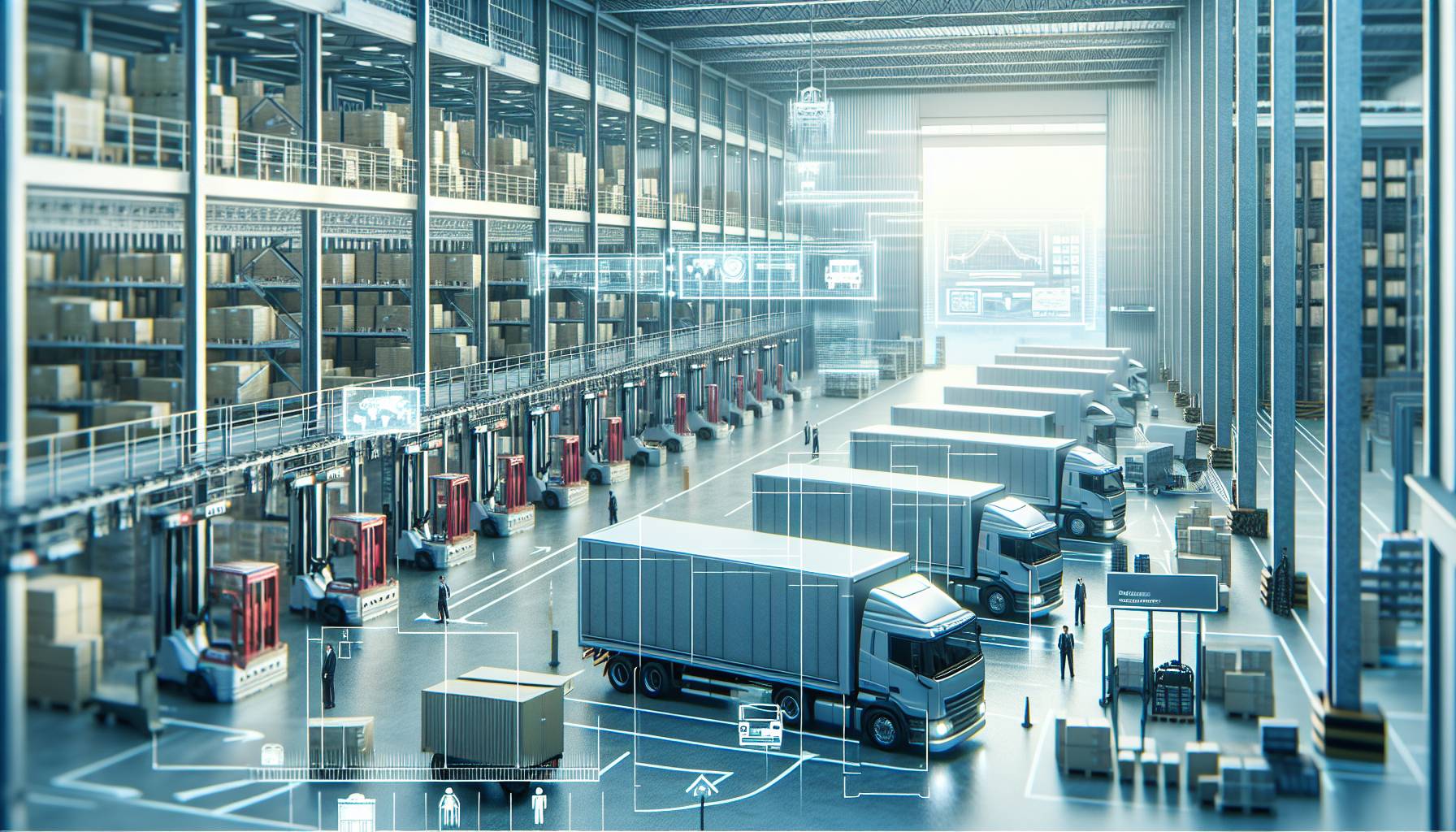
\nDigitalization extends beyond the vehicle with the incorporation of artificial intelligence-based platforms for fleet management, predictive maintenance, and route optimization, reducing costs and emissions.
\n\nSustainable Mobility and New Infrastructure
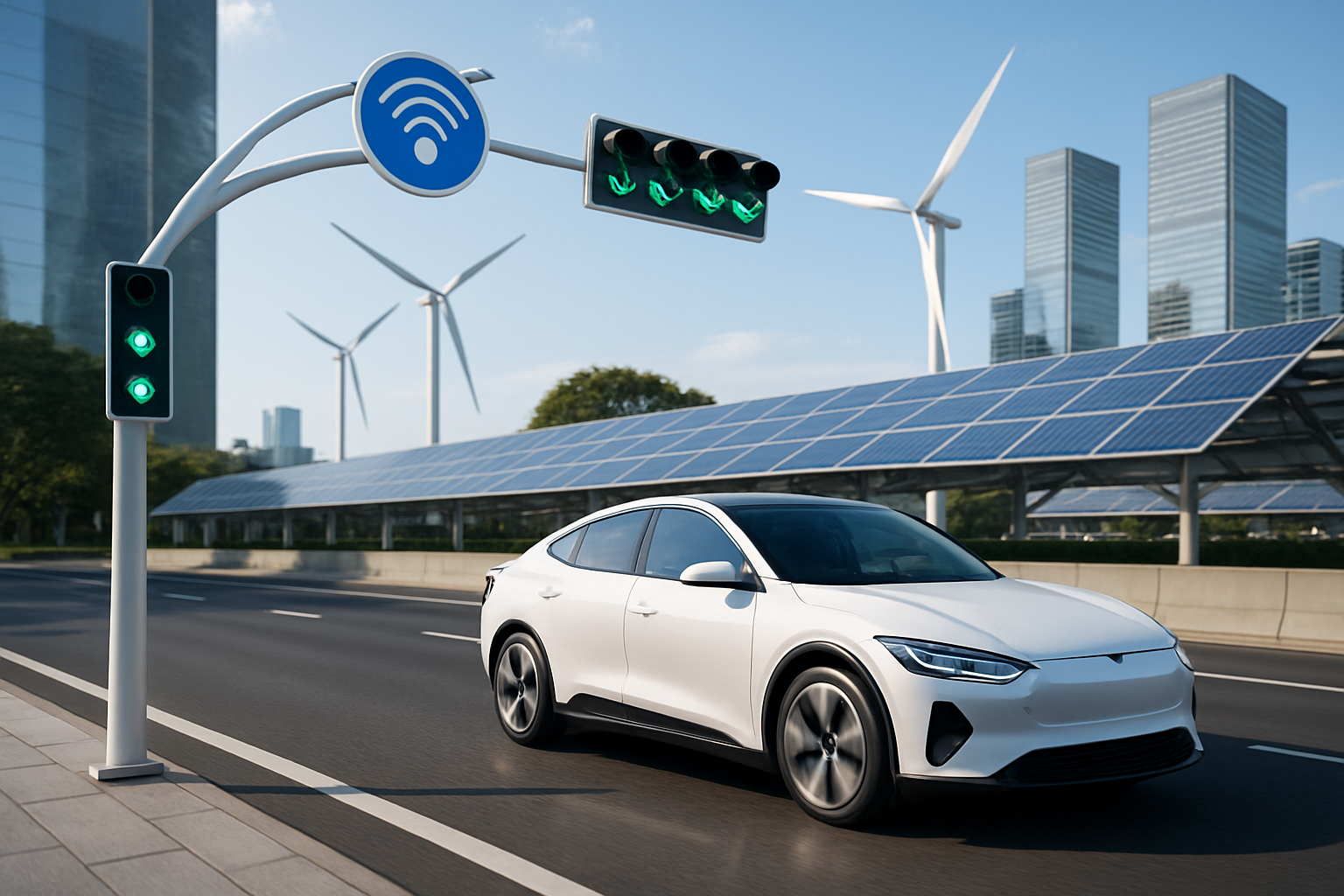
\nThe commitment to emission reduction drives a shift towards more sustainable mobility models. By 2026, significant growth is expected in electric charging infrastructure and the implementation of renewable energy at key transport points.
\nFurthermore, there is a rise in intermodality, combining different modes of transport to improve energy efficiency and user experience. Public transport gains prominence thanks to cleaner solutions and integration with intelligent urban management systems.
\n\nThe Rise of Connected and Intelligent Transport
\nThe concept of connected vehicles is established as a fundamental trend. Vehicle-to-vehicle (V2V) and vehicle-to-infrastructure (V2I) communication facilitates traffic management, enhances road safety, and optimizes resource use.
\nMobility-as-a-Service (MaaS) platforms play a key role by integrating various transport modes into a single app, adapting to the needs of both individual and business users.
\n\nChallenges and Decline in the Traditional Sector
\nDespite technological growth, some traditional private transport models and fossil fuels are in decline. The market demands less dependence on internal combustion engine vehicles, affecting traditional manufacturers and dealerships.
\nLikewise, automation and digitalization are changing the nature of jobs in the sector, creating new, more technical and specialized professional profiles.
\n\nOutlook for Digital Professionals and Companies
\nThis scenario presents significant opportunities for digital marketing professionals specializing in transport and automotive. The need to communicate technological advances, sustainability, and new user experiences requires multichannel strategies and a technical approach to engage specialized audiences.
\nAdditionally, the growth of e-commerce and sustainable urban logistics will open paths for innovation in digital marketing, such as advanced analytics, data-driven segmentation, and campaign automation tailored to different user profiles.
\n\nIn short, transport and automotive in 2026 are shaping up as fertile ground for technological innovation and sustainability, with profound changes impacting everything from production to the end-user experience.
\n\nFor further insight, you can consult the European Environment Agency report on sustainable mobility Transport and Environment in Europe and the global electric vehicle trends from the International Energy Agency Global EV Outlook 2023.